
Watch who takes to the streets tomorrow, the day federal taxes are due. Tax day is a predictable occasion for protest. Indeed, the Tea Party protests in April 2009 were the first visible signs of that powerful movement emerging.
In obvious ways, protesting against taxation is almost too too easy. No one likes to write large checks without thinking that he’s getting something worthwhile for his money. And absolutely any American can find some federal spending that he finds completely appalling: environmental protection, Medicare, meat inspection, GSA parties in Las Vegas, aircraft carriers, oil subsidies, foreign aid, Social Security, intercontinental ballistic missiles, and so and so on. Of course, most Americans also view some of those services as absolutely essential for civilized life. (Listen to Californians complain about taxes then pivot to talk about inadequate freeway maintenance.)
Like Roe v. Wade, Tax Day is an occasion to demonstrate a show of strength, mobilizing the faithful in the service of a partial understanding of the American revolution. (In 1776, the cheerleaders chanted: “No Taxation without Representation,” not “No Taxation.”)
The 2009 protests were a sign that the Tea Party had arrived. Once you turn out large crowds, however, there is an ongoing pressure to keep growing. By 2011, after large Republican gains in  the 2010 elections, the large Tea Party groups decided to avoid a Washington demonstration altogether, lest a lower turnout seem a sign of the movement’s fading. (At left, see the 2011 anti-tax protest in Sacramento.)
Herman Cain has brought his suspended presidential campaign to Washington, DC, to rally support for his 9-9-9 tax plan. He’s announced plans to start a movement in support of the plan, which would radically distribute the burden of taxation downward to people who earn and spend less money. Let’s see what kind of turnout he can generate.
In Wisconsin, Americans for Prosperity rallied against taxes–and in support of embattled Governor Scott Walker. Their opponents were also out in force.
Of course, both sides can use the same opportunities. People who aren’t vehemently anti-tax also plan to use the occasion for their own purposes.
Gay and lesbian activists are challenging the federal tax code, which doesn’t recognize same sex marriages. Peace activists will use Tax Day to draw attention to the hundreds of billions that the United States spends on the military, announcing demonstrations across the country. 
And in Oakland–and elsewhere–Occupy sympathizers are using tax day to raise the question of fairness.
Tax day is a moment when people are frustrated, perhaps ready to pay attention. The effectiveness of any of these protests, however, is a function of what follows.
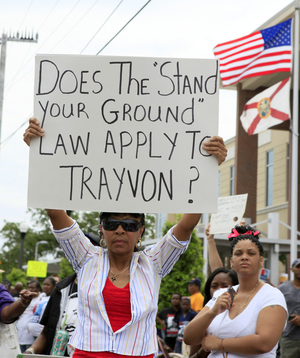


 will get much more attention than a comparable efforts anywhere else–at any other time.


 appropriate curricula to teach about the farm labor movement in the United States, and particularly Chavez’s role in it.
 Dolores Huerta, 2009
 When Chavez and Huerta started their campaign, nearly one third of Americans were represented by unions. The percentage now is now just about 10 percent, and less in the private sector.


