
How does sleeping out in an urban park do anything about income inequality? I get this question at least a few times a week, often from one of my kids.
One answer is that social movements work when dramatic action inspires others to be

Occupy Boston and labor march together
bolder in their rhetoric and actions–even if they don’t protest, commit civil disobedience, or even camp out. To be effective, Occupy has to extend well beyond actual occupations.
So, today’s New York Times features a piece about just what organized labor is learning from Occupy. Steven Greenhouse observes that large unions, initially wary about Occupy Wall Street, have supported the movement, publicizing its actions and sending mattresses and food, and, more importantly, have imitated Occupy’s rhetoric and tactics:
“The Occupy movement has changed unions,” said Stuart Appelbaum, the president of the Retail, Wholesale and Department Store Union. “You’re seeing a lot more unions wanting to be aggressive in their messaging and their activity. You’ll see more unions on the street, wanting to tap into the energy of Occupy Wall Street.”
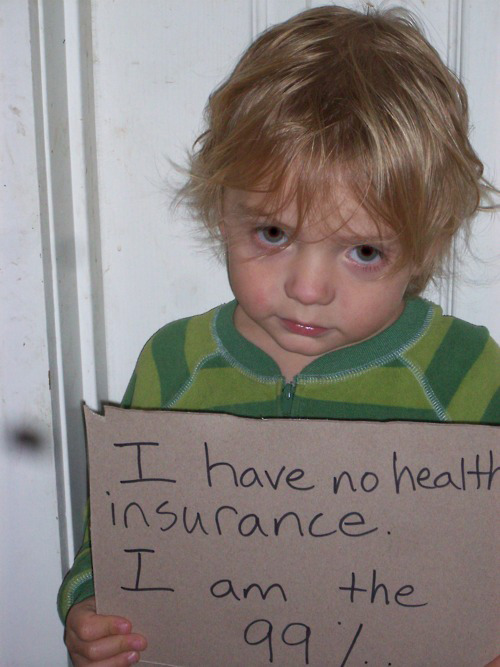
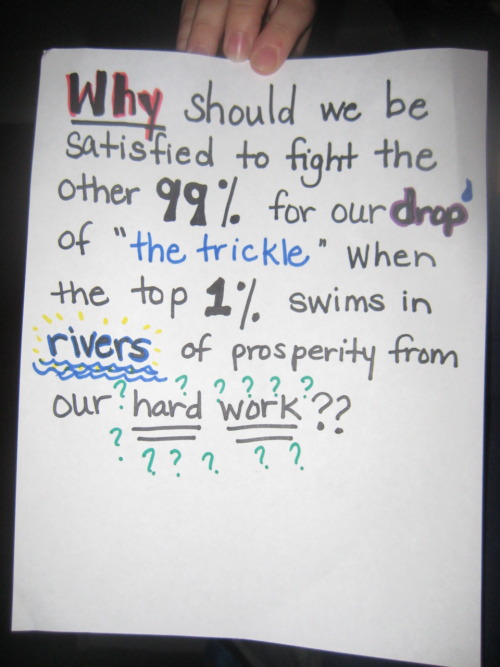
From Occupy, the AFL-CIO has taken the idea of working for the 99 percent, and articulating its message in exactly that way. From Occupy, unions are learning (relearning, of course; labor has been bold in the past) the virtues of dramatic action. And from Occupy, unions are reminded about the potential power of social media.
Of course, the unions already have better defined demands as well as serious organizational infrastructures and resources that can put into practice these lessons. Although organized labor doesn’t present the decentralized consensus-based model of democracy that some of the Occupiers embrace, any campaign that really means to speak for the 99 percent has to deal with unions.
And in yesterday’s elections, the possibility of a labor-led pushback seemed more  promising than it has in a very long time. Ohio voters resoundingly rejected a law that would strip public sector unions, including those representing teachers, firefighters, and police, of collective bargaining rights, 61%-39%, handing Governor John Kasich and the Republican controlled legislature a sobering defeat, surely one that legislators and organizers in Wisconsin and Indiana will study.
Organized labor was fully invested in the effort, raising more than $24 million, and outspending business and other conservative interests substantially.
This was not an Occupy campaign, but talk of the 99 percent and economic inequality was everywhere. Harder to trace, but certainly present, was a sense of urgency and possibility that Occupy has cultivated.
 economy, and to exercise strict oversight over the banking and finance industries. Although some conservative critics disagree, she’s not out to destroy global capitalism. Hers is a far more developed–and far less utopian–vision than what activists have been able to articulate in the General Assemblies across the nation.
 loose with facts in the past. The most tendentious coverage emphasizes that crime and sexual assault are part and parcel of a generally disreputable campaign filled with irresponsible and self-indulgent people. More mainstream conservative outlets like
  stupidest person in their midst and label the whole movement with him. This is a chore at a large demonstration that may last for 4-5 hours. It’s somewhat more difficult at a all-day every day occupation that could stretch on for months, particularly one that welcomes all comers.
 As Mayor Quan has tried to align herself with the protesters, allowing the Occupy protest to return to Ogawa Plaza, the police think they’ve been hung out to dry. On the eve of the strike, the
  responding to the Occupy campaigns around the country, with more and less sympathy and skill, can do very little to address the issues the animate the protests. Local activists work hard to get control of city governments, and then find that their hands are tied in all sorts of ways.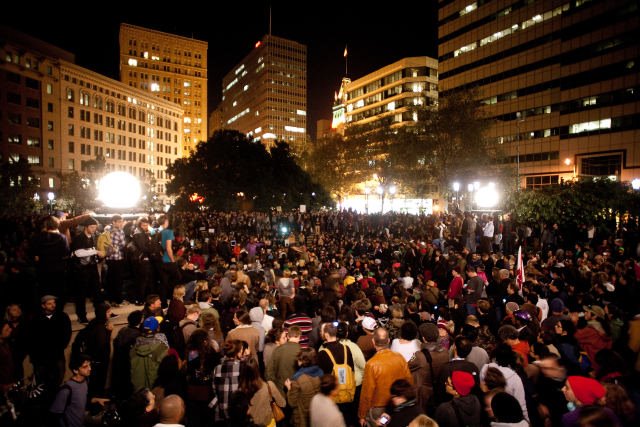
 with tents restaked in Frank Ogawa Plaza. Mayor


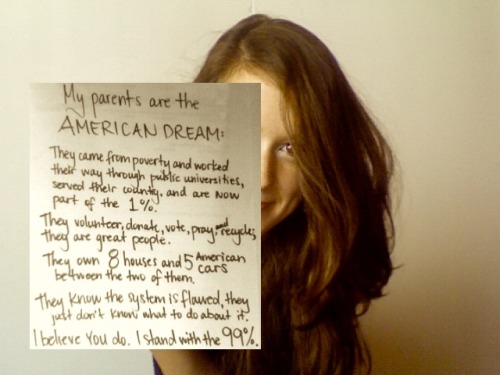
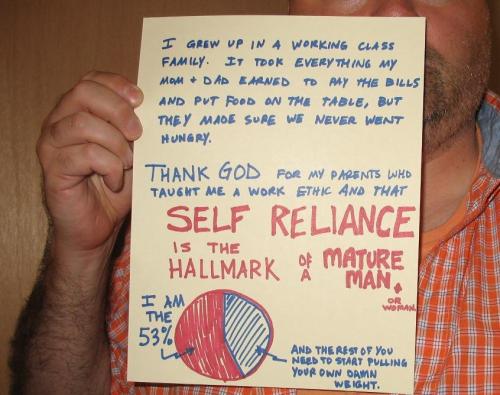
 obvious topic for humor and discussion. President Clinton expressed some sympathy, reviewed how government could–and should–pay for what it does, noting that deficits exploded when President Bush engaged in two wars and cut taxes at the same time. (It was self-serving, but everything he said was true.)

 Politics Outdoors